
Identity Matching Academy
Introducing Paulus & Ellen…

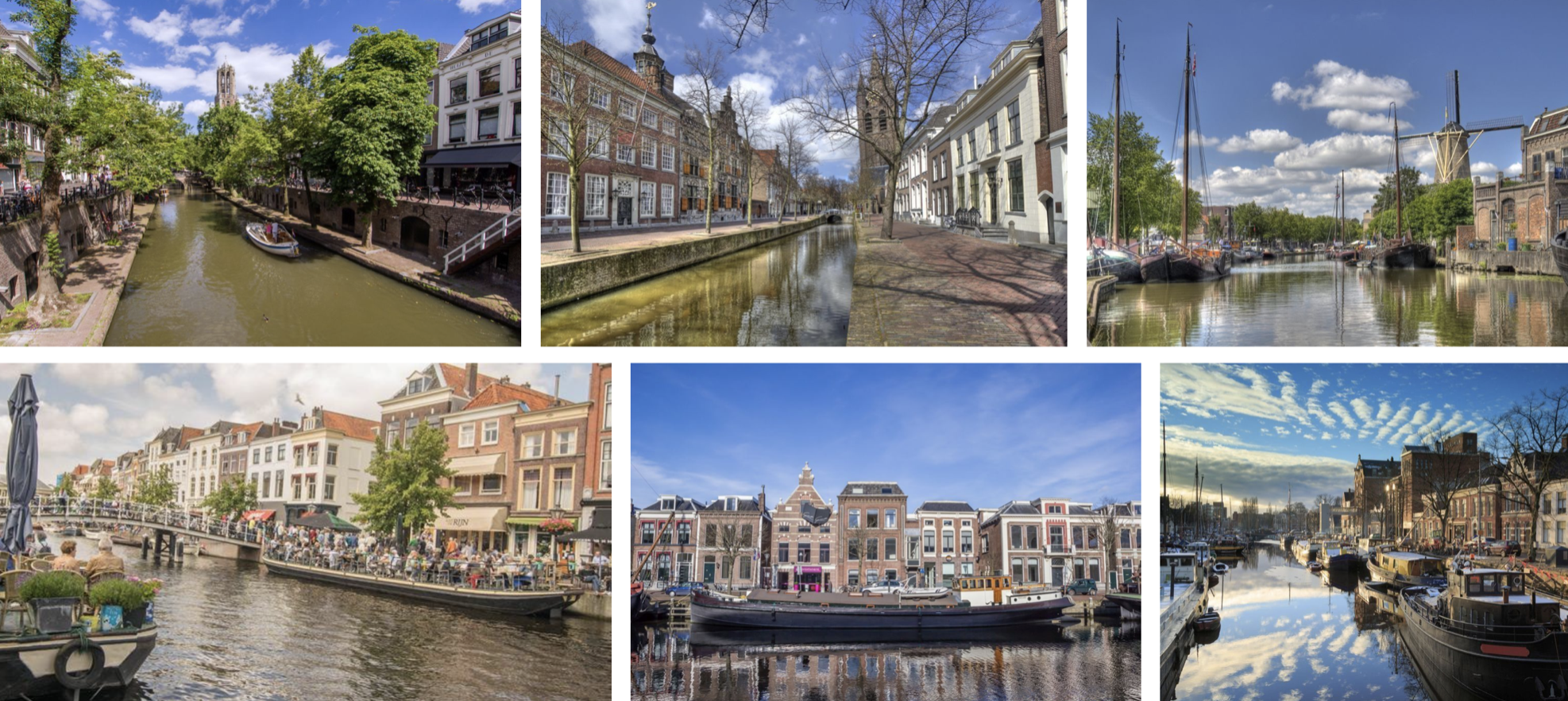
6 different cities…
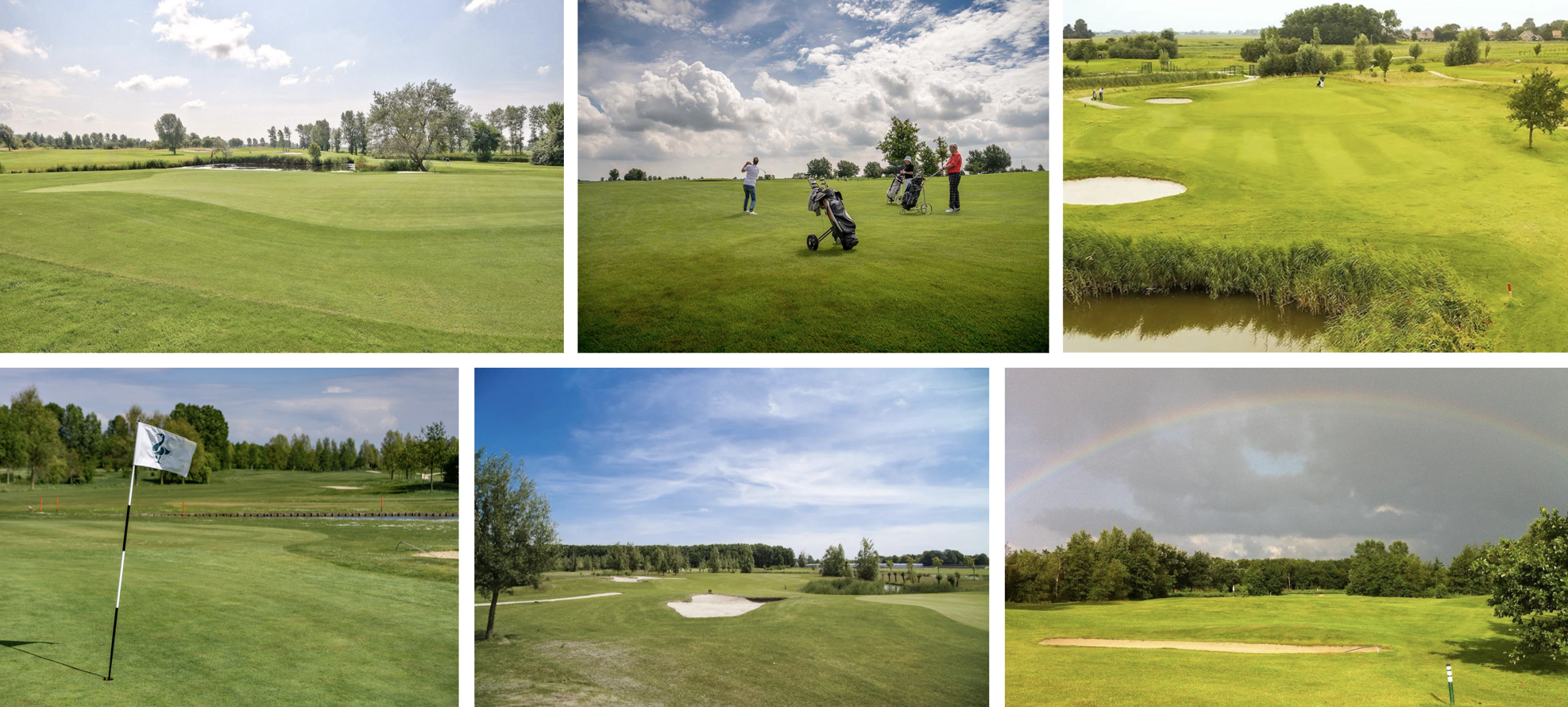
6 different golf courses…
Humans are social beings. People need each other to live the lives they find useful and enjoyable. Meeting places form the foundation for social contact. The more attractive these places are, the greater the chance that people will want to meet there. These places must be recognizable and unique, whether they are places to live, work, or relax. People must feel at home in places where they can engage with each other without worry.
Many places have focused too much on each other and too little on themselves. Cities and towns are so similar in architecture and amenities that they lack any specific appeal.
Neither on visitors, nor on potential new residents, nor on the business community.
This copycat behavior needs to be questioned. More importantly, better questions need to be asked to arrive at better policy: "Who are we, really? What suits us? And for whom does this add value?".
In their quest for recognition, many places want to campaign. But the questions above must first be answered before a place can launch a campaign. What message is being conveyed? And who should be attracted by that message? And is there something to offer that will make people want to establish a (lasting) relationship? How can sustainable investment be made in a destination's appeal?
The answer can be addressed methodically and effectively using the Identity Matching Method. This phased approach begins with creating a unique claim and ends with implementing a methodology for area development and place branding.

Needs and solutions require active management
- Humans employ various strategies (interchangeably) to fulfill needs.
- People learn (themselves) needs management (virtual dashboard)
- Brain automation: Walking up and down stairs without thinking saves time.
You can solve another problem/satisfy another need. - Brands are intended as a preset: an automated solution.
That's why they're often strongly defended.

Places are the foundation of your memories
- Places are also presets, with expectations about what you can find there. Not having to search saves time. That is why it is also smart to approach them as a brand. After all, a satisfied person does not look for new presets. We call a place preset a Place Brand.
- Place Brands can be built based on objective, quantified needs data. Physical and mental needs. Identity based on social engagement is a need.
- Place Brand templates save time and costs in the process. This allows you to gain control over distinctiveness and added value sooner than starting from scratch. Identity Matching as a shortcut. From inventory list to to-do list…
- IMA has these templates for a wide variety of locations (from hotels to provincial towns), with highly rated components as a reference (CPWW index).
- The CPWW score therefore says something about the value as a place brand. Added value is created through local implementation. And thus a stronger preset: Not wanting to leave plus greater appeal: Stockholm Syndrome 2.0
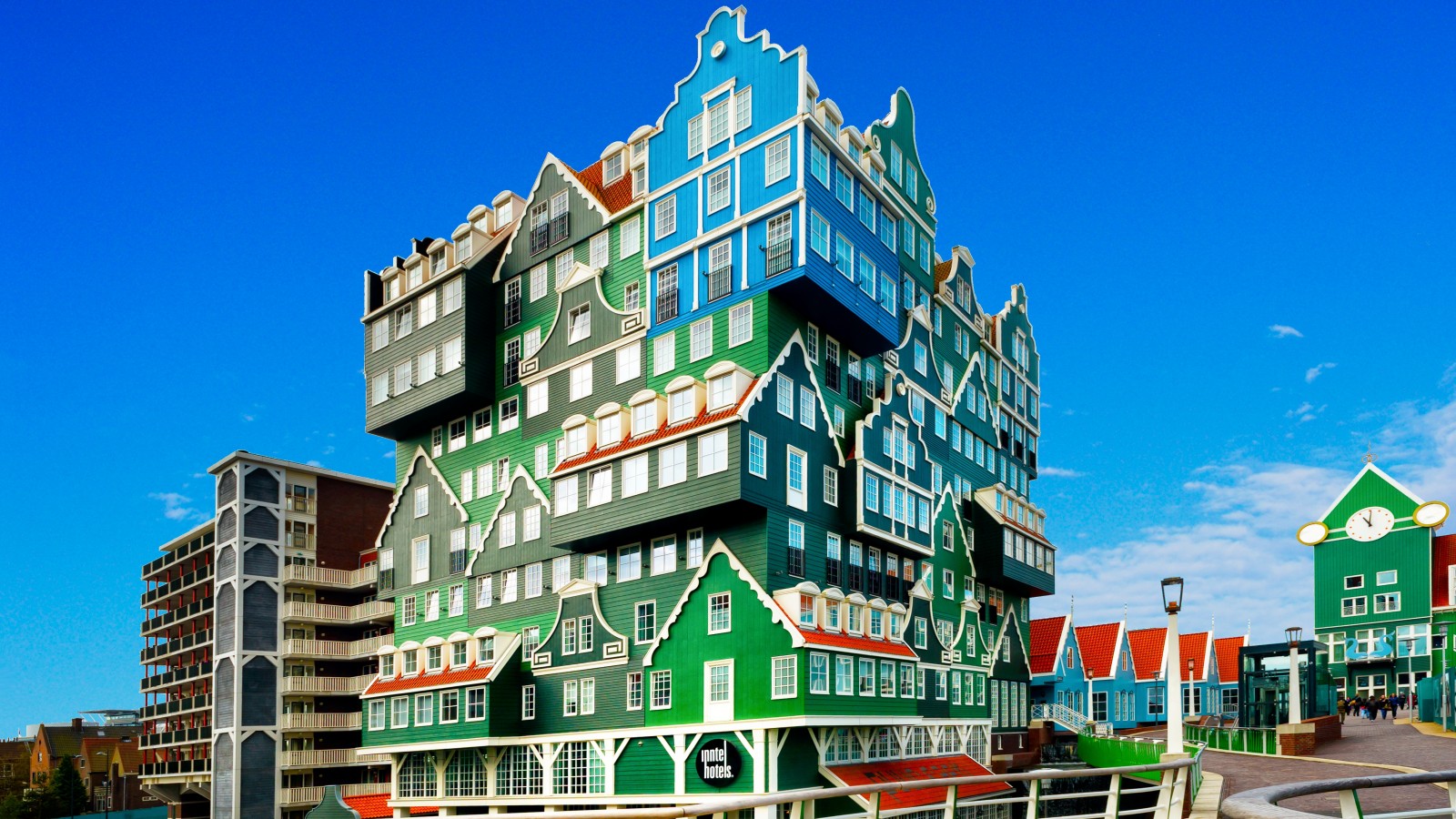
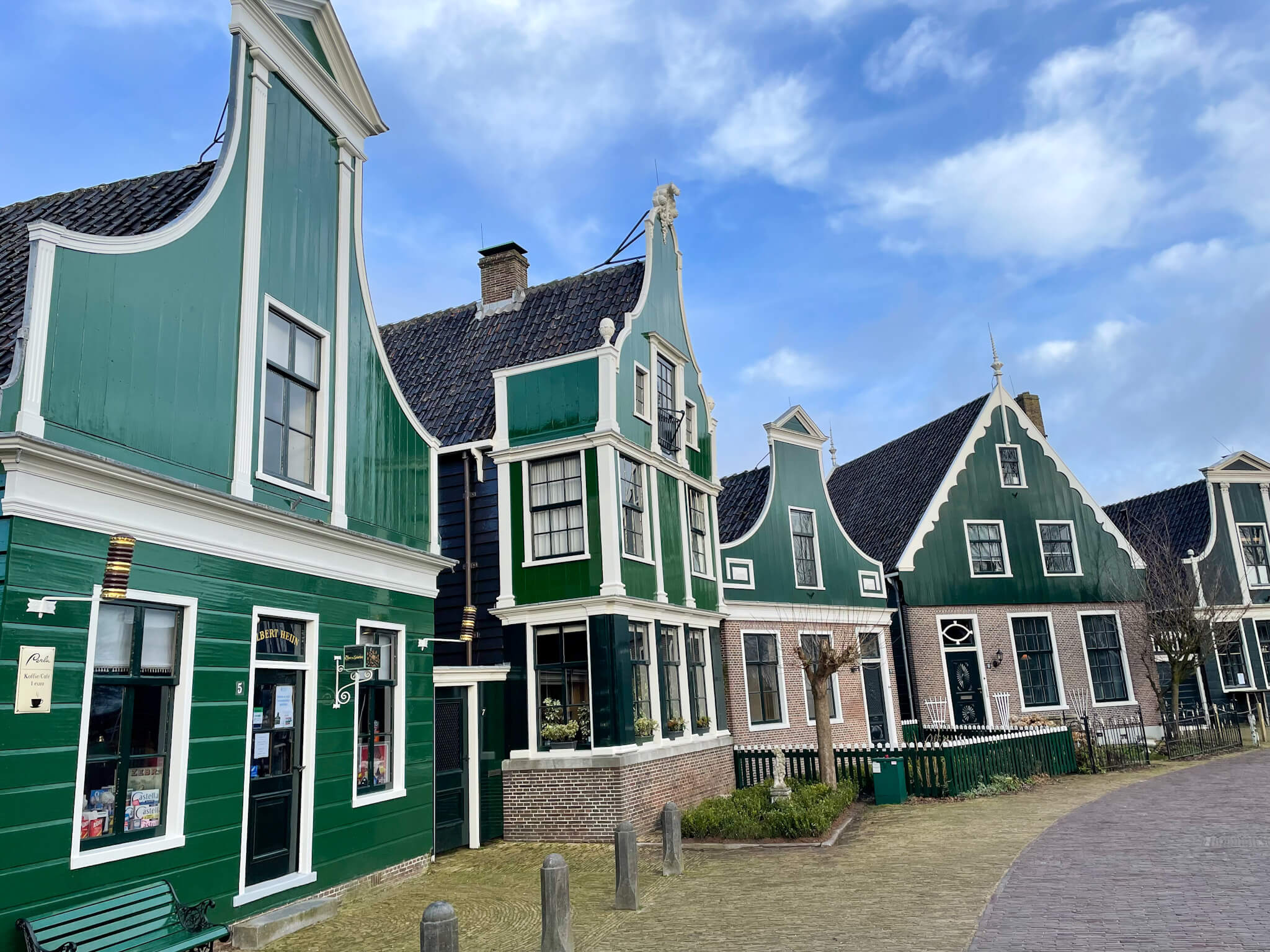
The Zaan identity as part of the Zaan development framework….
Based on a vision and ambition jointly defined by stakeholders (regarding the fulfilment of the needs of the stakeholders of a place), it is determined what role a recognisable development framework based on local identity can and should have.
IMA calls this recognizable development framework a Place Brand concept. It's a tool for creating added value for stakeholders. It describes the current values of a place and translates them into the values to be realized in the near and distant future; these are the Brand Values that guide the development framework. The end result is a Place Brand.
The development framework provides clear instructions for the systematic realisation of the ambitions for a Place Brand and for establishing coherence between the various sub-projects.
A Place Brand is recognisable and ensures social cohesion between stakeholders and each with their place.
Subprojects involve the concrete realization of essential elements within a location, thereby strengthening the Place Brand. This includes the (re)development of public spaces and public buildings, clear development frameworks for private buildings so that their function and image contribute to the Place Brand, the development of events and public facilities, the development of communication tools that strengthen the Place Brand, and the connection between stakeholders and the Place Brand, etc.
Place Brand marketing is therefore a tool to strengthen and make the Place Brand recognizable, and is therefore not the same as 'place branding'.